
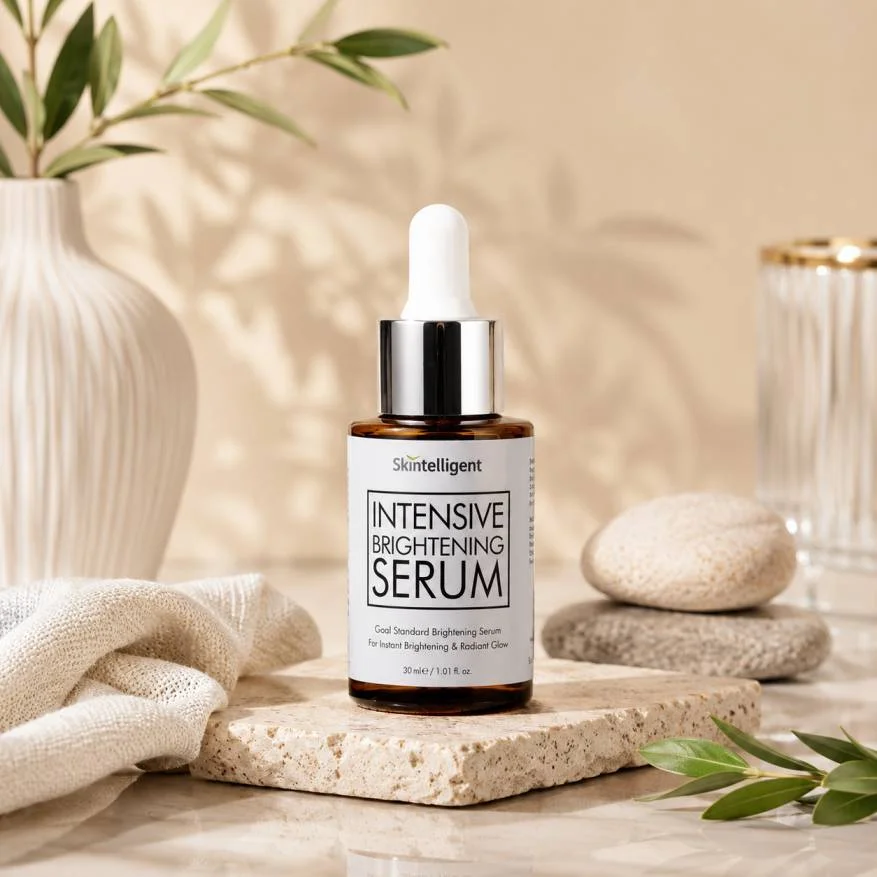
If you’re dealing with dark spots, post-acne marks, or a dull complexion, a good whitening serum can help you get a brighter and more even skin tone. These serums don’t change your natural skin color. They work by fading discoloration and improving radiance over time. Below, you’ll find how these serums work, which ingredients matter, and seven well-regarded options to consider.
How Does a Whitening Serum Work?
Dark spots and uneven tone come from excess melanin, the pigment your skin produces in response to sun exposure, inflammation, hormones, or acne. A brightening serum targets this process in a few ways: it slows down pigment production, speeds up the shedding of pigmented surface cells, or protects skin from the damage that triggers new dark spots.
Expect gradual results. Most people need 4 to 12 weeks of consistent use before they see a visible difference, and deeper pigmentation can take longer.
Whitening Serum Ingredients to Look For
- Vitamin C (L-ascorbic acid or derivatives): an antioxidant that brightens and helps protect against sun-related damage.
- Niacinamide: helps reduce the transfer of pigment to skin cells, and also supports the skin barrier and minimizes the look of pores.
- Alpha arbutin: a gentle, targeted ingredient that helps slow pigment production.
- Tranexamic acid: often used for stubborn discoloration such as melasma-type patches.
- Azelaic acid: useful for post-acne marks and redness.
- Kojic acid and licorice root extract: milder options that help fade spots.
7 Best Picks for a Brighter, Even Skin Tone
Formulas and concentrations can change, so always check the current label before buying.
1. The Ordinary Alpha Arbutin 2% + Hyaluronic Acid
A budget-friendly, targeted option for dark spots and uneven tone. It’s lightweight and works well for beginners.
2. The Ordinary Niacinamide 10% + Zinc 1%
Good for oily or acne-prone skin. It helps with uneven tone, visible pores, and excess oil.
3. Paula’s Choice 10% Niacinamide Booster
A popular choice for people who want a smooth, non-sticky texture along with brightening and pore-refining benefits.
4. Timeless 20% Vitamin C + E + Ferulic Acid
An affordable vitamin C serum with a well-known antioxidant combination. It suits normal to oily skin, but can feel strong on sensitive skin.
5. La Roche-Posay Pure Vitamin C10
A gentler vitamin C serum that’s often recommended for sensitive skin because of its lower concentration and soothing formula.
6. Naturium Tranexamic Topical Acid 5%
A good pick if you’re dealing with stubborn marks and want a tranexamic acid–based formula.
7. Melano CC Intensive Anti-Spot Essence
A popular Japanese vitamin C–based treatment designed for spot care and acne marks.
How to Choose the Right Serum for Your Skin Type
- Oily or acne-prone skin: niacinamide, azelaic acid, or a lightweight vitamin C.
- Dry skin: pair brightening ingredients with hydrating ones like hyaluronic acid.
- Sensitive skin: start with alpha arbutin or a low-strength vitamin C, and introduce one product at a time.
- Stubborn dark spots: consider tranexamic acid or a combination of ingredients.
How to Use a Brightening Serum Safely
- Patch test first. Apply a small amount behind your ear or on your jawline for a couple of days.
- Apply after cleansing, on clean skin and before moisturizer.
- Use sunscreen every morning. This is the most important step. Without SPF 30 or higher, UV exposure will keep creating new dark spots and undo your progress.
- Introduce actives slowly, especially if you also use retinol or exfoliating acids.
- Be patient and consistent.
Frequently Asked Questions
Can a serum make my skin lighter than its natural color?
No. Safe, effective products fade discoloration and bring out your natural tone. Be cautious of products that promise dramatic lightening, as some contain harmful ingredients such as mercury or high-dose steroids.
How long does it take to see results?
Usually 4 to 12 weeks, depending on the ingredient and the type of pigmentation.
Can I use vitamin C and niacinamide together?
Yes, most people can use them together or at different times of day (for example, vitamin C in the morning and niacinamide at night).
When should I see a dermatologist?
If your dark patches are widespread, getting worse, or haven’t improved after a few months, a dermatologist can identify the cause and recommend stronger treatments.
Final Thoughts
The best choice depends on your skin type, your sensitivity level, and the kind of discoloration you’re treating. Start with one product, use it consistently, and pair it with daily sunscreen for the best chance at a brighter, more even complexion.